Applications des Biotechnologie de l’ADN Recombinant
Topic outline
-
-
This course, titled "Biotechnological Applications of Recombinant DNA," aims to familiarize students with the tools necessary to master the creation of new DNA molecules by combining genes from diverse origins, thereby paving the way for crucial applications in various fields.
The course is structured into multiple learning units designed to help you develop skills in applying recombinant DNA technology within your discipline, including cellular biology, proteomics, and metabolomics.
Target Audience: 2nd Year Master's Students, Specializing in Molecular and Cellular Biology
Course Type: Semester-Based
Teaching Unit: UEM 5
Language of Instruction: English
Credits: 05
Coefficient: 03Total lecturing hours: Semester / 22 hours:30 minutes
Total supervised work hours: Semester / 22 hours:30 minutes
Assessment: (100%)
- Exam (60%)
- Continuous Assessment (40%) includes a sum of individual work (short assessment) "8 points," evaluation of group work "8 points," and Attendance "4 points."
-
-
-

Teacher of the course: Dr. Selma Hamimed
Faculty: Natural and Life Sciences
Department: Molecular and Cellular Biology, Univ of Jijel
Biography: Dr. Selma Hamimed is an Assistant Professor at the University of Jijel and a research collaborator at the University of Carthage. Her work focuses on treating industrial wastewater using biotechnological, nanotechnological, and microbiological processes. She has a strong interest in nanotechnology, particularly in converting waste via green synthesis of nanomaterials with potential applications. Additionally, her research encompasses the biotechnological applications and assessment of the hazardous impact of discharged waste on human health and the ecosystem along with providing solutions.
E-Mail: selma.hamimed@univ-jijel.dz
Address: Office at the MCB Laboratory, Research building, Oueld Aissa, Jijel
Availability: Sunday to Tuesday, from 11:00 AM to 12:00 AM
-
-
-

- Collaborate on projects or resources.
- Allow students to document and exchange different topic of the course.
-
-

Explain the fundamental concepts of recombinant DNA technology, including gene cloning, DNA manipulation, and genetic engineering techniques.
Understand the significance of recombinant DNA technology in various fields such as medicine, agriculture, industry, and environmental science.
Analyze and interpret results data generated through recombinant DNA techniques, and critically evaluate the validity and significance of research findings.
Apply knowledge of recombinant DNA technology to solve practical problems and design experiments in biotechnology research and development.
Assess current advancements and emerging trends in biotechnological applications of recombinant DNA.
Communicate effectively about recombinant DNA technology concepts, research findings, and applications through written reports, oral presentations, and scientific discussions.
-
-
-

Strong foundation in molecular genetics and genomics, including gene structure, regulation, and expression.
Knowledge of genomic organization and analysis techniques is also essential.
Understanding of biochemistry and cell biology: Familiarity with biochemical processes, cell structure, and cellular functions is crucial for comprehending the applications of recombinant DNA technology at the molecular and cellular levels.
Knowing how to perform DNA extraction, gel electrophoresis, PCR, cloning, and bacterial transformation would help.
Basic proficiency in data analysis and bioinformatics tools.
-
-
-

-
Test QuizThe overall average will count as the grade
-
-
-

The course is divided into ten learning units. Each unit is approached through teaching sequences designed to facilitate the assimilation of the intended concepts. This assimilation is reinforced by guided activities where the concepts are put into practice, which is one of the strong points of this course. The complete description of the learning units is available here, and the detailed course plan can be consulted by accessing the online course and then clicking on "Course plan"
-
-
-
This chapter provides an overview of the components and types of expression vectors, explores the strategies for their design, and highlights their applications in various host systems.
-
-
-
This chapter explores the principles of fusion protein design, the methods used for their production, and the strategies for optimizing their expression in various host systems, such as bacteria, yeast, and mammalian cells. It also discusses the key challenges and solutions in achieving functional fusion proteins for diverse applications.
-
-
-
This chapter explores the principles and methods of directed mutagenesis, including site-directed mutagenesis and error-prone PCR, alongside the strategies used in biological engineering to translate these mutations into practical applications.
-
-
-

This chapter delves into the principles of DNA sequencing and PCR, explores their integration into diagnostic workflows, and highlights their applications in detecting genetic disorders, infectious diseases, and other conditions. Additionally, it discusses recent advancements and the future potential of these technologies in improving diagnostic precision and accessibility.
-
-
-

-
To provide students with the skills and knowledge needed to analyze data from CRISPR assays and scientifically experiments.
-
-
-
This chapter explores the principles, methodologies, and applications of gene therapy and cell therapy, two groundbreaking approaches in modern medicine aimed at treating or curing genetic and acquired diseases.
-
-
-
-

This chapter delves into the principles and methodologies of somatic cell cloning, a technique used to create genetically identical organisms.
-
-
-

This chapter explores how genetic engineering is used to modify metabolic pathways in organisms for various applications.
-
-
-
This chapter examines how genetic engineering is revolutionizing plant improvement by introducing desirable traits that are difficult or impossible to achieve through traditional breeding methods.
-
-
-
-
To provide students with an in-depth understanding of the latest advancements in genetic engineering for plant improvement, focusing on the tools, applications, and implications for sustainable agriculture and food security.
-
-
-
This chapter explores the innovative use of genetic tools to combat infectious diseases, addressing challenges in diagnosis, treatment, and prevention. The chapter highlights key applications, including the creation of genetically engineered vaccines, pathogen genome editing to reduce virulence, and gene-driven strategies to combat antimicrobial resistance.
-
This survey structure integrates questions with a survey approach to assess the student's understanding of Chapter IX on genetic tools used to combat infectious diseases. It prompts both factual recall and critical thinking about the implications and applications of these technologies.
-
-
-
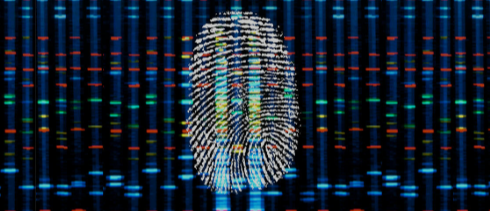
This chapter explores the use of genetic fingerprints in forensic medicine, a powerful tool for identifying individuals based on their unique DNA profiles. The chapter covers the principles behind genetic fingerprinting techniques, such as short tandem repeat (STR) analysis and single nucleotide polymorphism (SNP) profiling. It also discusses the applications and ethical considerations of using genetic data in forensic investigations, emphasizing the accuracy, reliability, and potential for justice in criminal law.
-
-
-
-
-
In the event of failure in the exit exam, the student can benefit from an additional course by following the link.
-
 Chat with your teacher in real-time.